Each style below has a short description, places you have probably seen it, who it suits and who it doesn't, typical furniture and a starting color palette.
Modern: Geometric Precision
 Modern design grew out of early 20th-century modernism: clean lines, little ornament, open plans and a focus on function. Glass, steel and pale walls do most of the work.
Where you've seen it:
- Mies van der Rohe's glass-walled Farnsworth House near Plano, Illinois, completed in 1951
- Tony Stark's cliffside house in the "Iron Man" films
Good if:
- You appreciate clean, uncluttered spaces
- You value functionality and simplicity
- You enjoy a minimalistic aesthetic
Bad if:
- You prefer a cozy, lived-in feel
- You have a lot of belongings that need storage
- You enjoy intricate details and ornamentation
Furniture:
- Sleek, low-profile sofas and chairs
- Glass or metal coffee tables
- Simple, geometric light fixtures
Color Palette:
- Neutral colors like white, gray and black
- Bold accent colors like red, yellow or blue
Contemporary: Stylish Dynamics
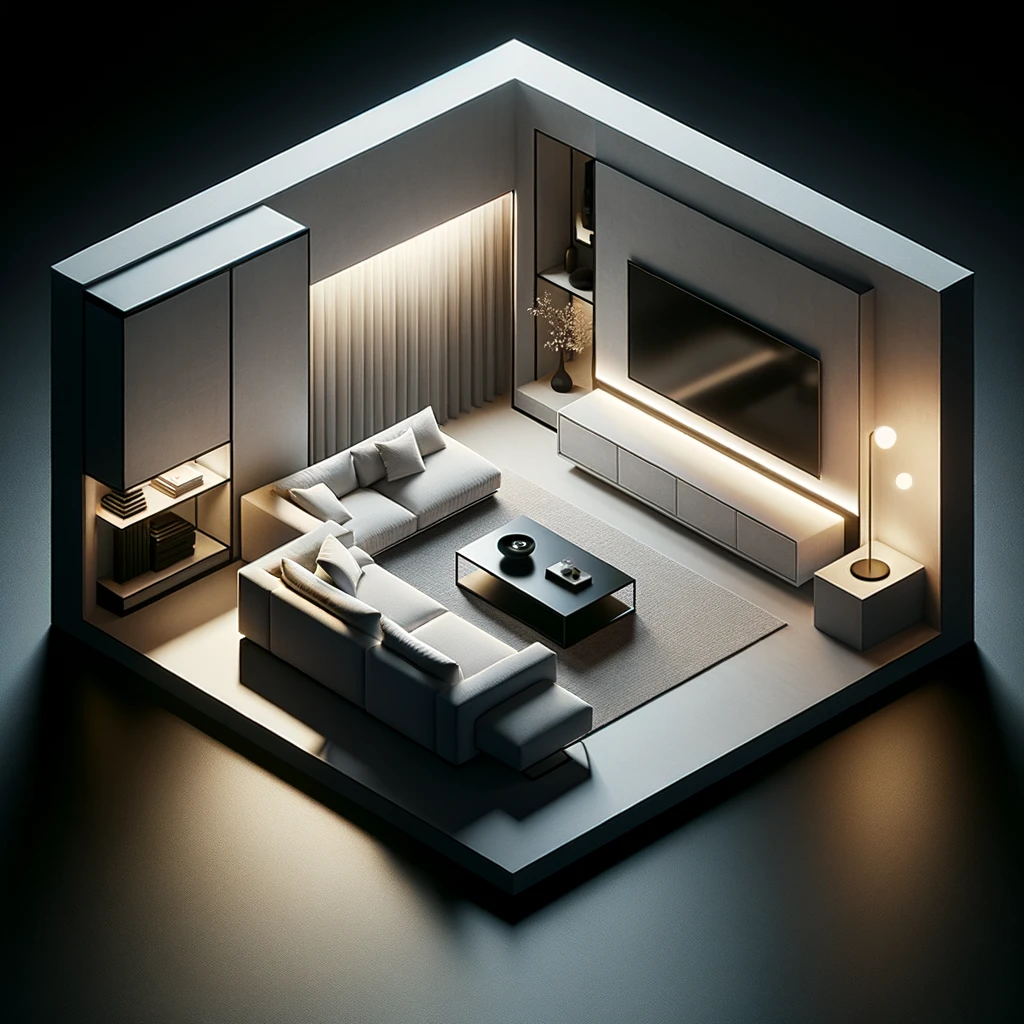 Contemporary style means the design of right now, so it keeps changing. Today that usually means clean lines softened by curved shapes, mixed materials and an emphasis on comfort.
Where you've seen it:
- Apple Park in Cupertino, California
- Recently built hotel lobbies and new-build show homes
Good if:
- You enjoy keeping up with current design
- You value both form and function
- You like a mix of clean lines and organic shapes
Bad if:
- You prefer a traditional or historical look
- You have a tight budget (current designer pieces can be pricey)
- You don't want to update your decor every few years
Furniture:
- Curved sofas and chairs
- Mixed materials (wood, metal, glass)
- Statement lighting fixtures
Color Palette:
- Neutral base colors like gray, taupe and white
- Accents in current colors like blush pink, teal or mustard yellow
Bohemian: Free-Spirited Flair
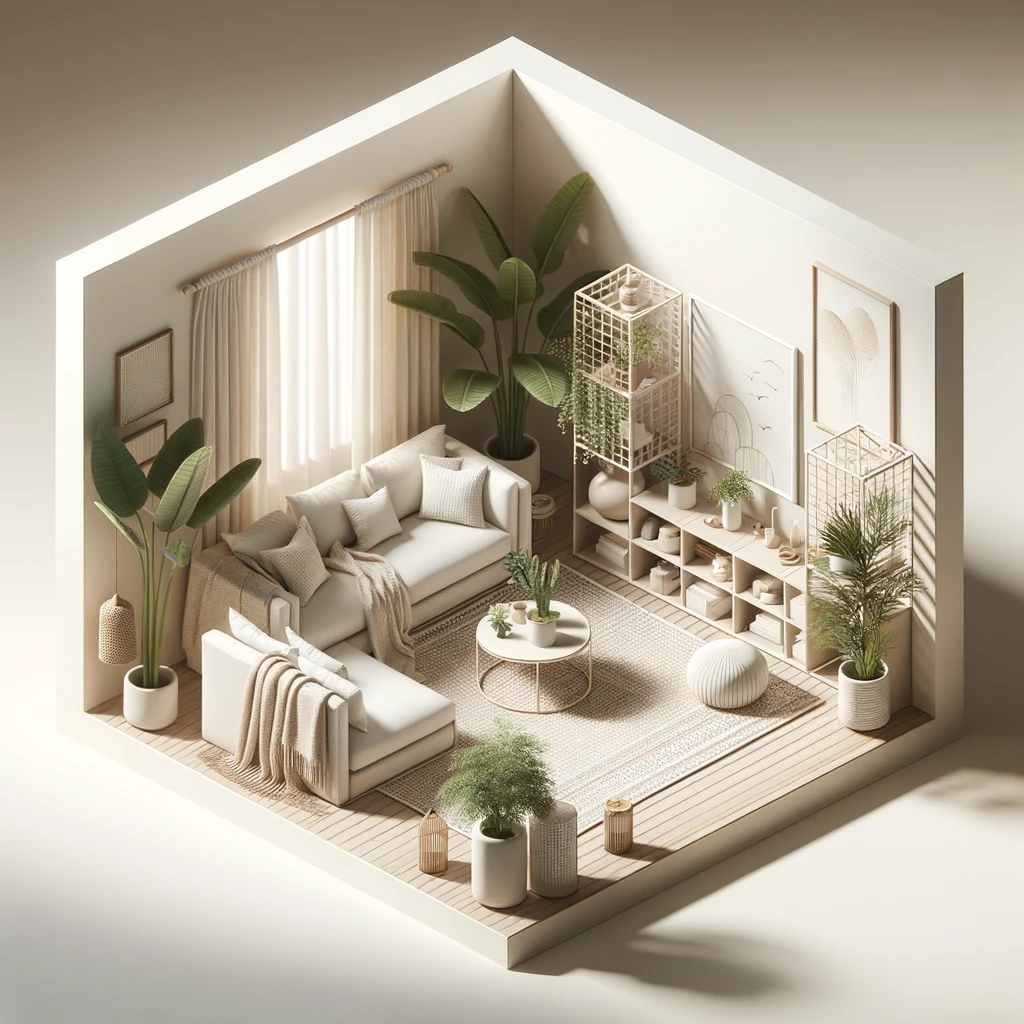 Bohemian, or boho, style is relaxed and collected: layered patterns, textures and colors, natural materials, plants, and objects from travels and markets.
Where you've seen it:
- Frida Kahlo's Casa Azul in Mexico City, now the Museo Frida Kahlo, filled with color and Mexican folk art
- The artists' Montmartre of Baz Luhrmann's "Moulin Rouge!" (2001)
Good if:
- You enjoy a relaxed, casual atmosphere
- You love mixing patterns and textures
- You have a collection of unique, global finds
Bad if:
- You prefer a minimalistic or monochromatic look
- You don't like busy spaces
- You want low-maintenance rooms (lots of textiles and plants mean more dusting and care)
Furniture:
- Low seating, floor cushions and poufs
- Vintage or second-hand pieces
- Woven or rattan chairs and tables
Color Palette:
- Warm, earthy tones like terracotta, mustard and olive green
- Pops of bright color like turquoise, fuchsia and orange
Industrial: Rugged Sophistication
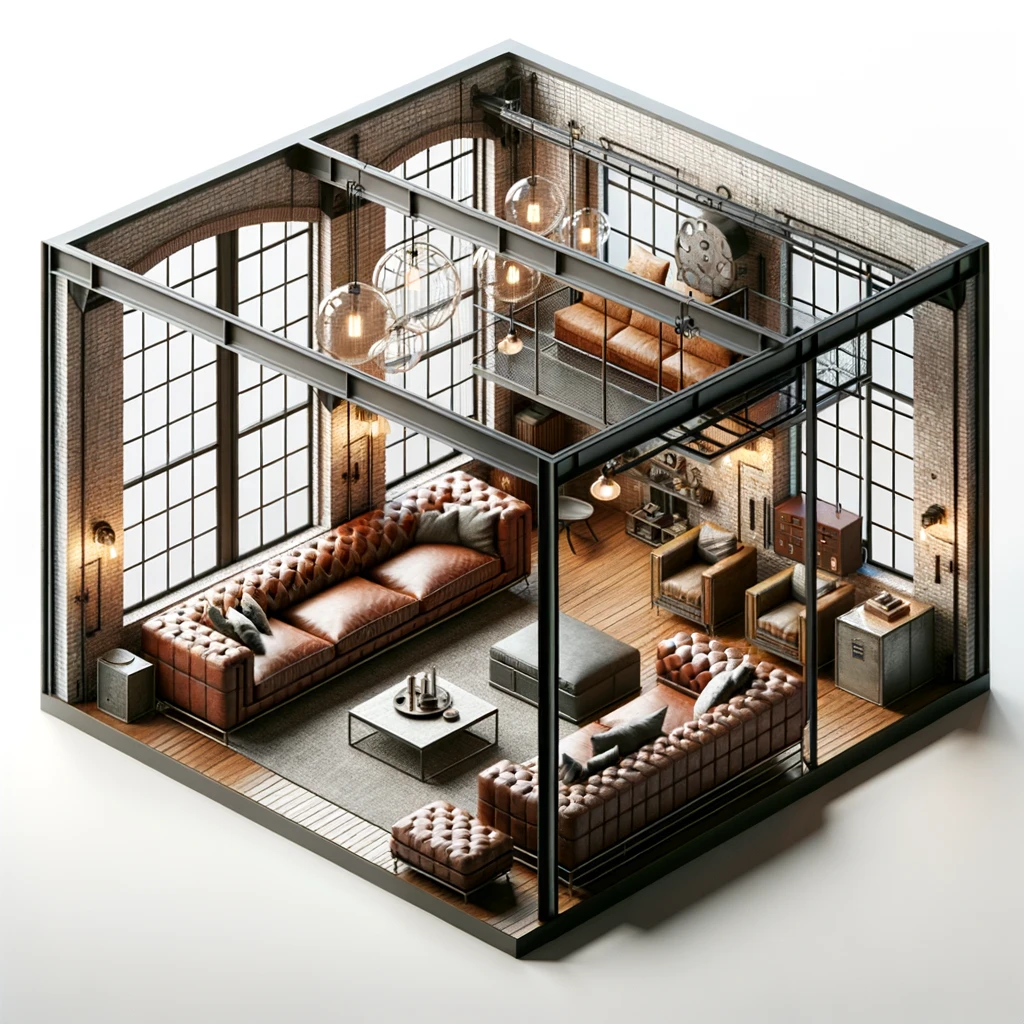 Industrial design borrows the raw look of warehouses and factories (exposed brick, ductwork, concrete and steel) and softens it with leather, wood and textiles.
Where you've seen it:
- The loft apartment in the TV sitcom "New Girl"
- Converted warehouse lofts and many brewpubs and coffee shops
Good if:
- You appreciate raw, unfinished materials
- You enjoy a mix of vintage and modern elements
- You live in an urban or loft-style space
Bad if:
- You prefer a cozy, traditional aesthetic
- You want soft, forgiving surfaces (concrete floors and metal edges are hard)
- You live in a small space (heavy industrial pieces can overwhelm compact rooms)
Furniture:
- Leather or denim sofas
- Reclaimed wood or metal tables
- Vintage factory stools or chairs
Color Palette:
- Neutral tones like gray, black and white
- Accents in rich, saturated colors like deep red or navy blue
Japandi: Minimalist Elegance
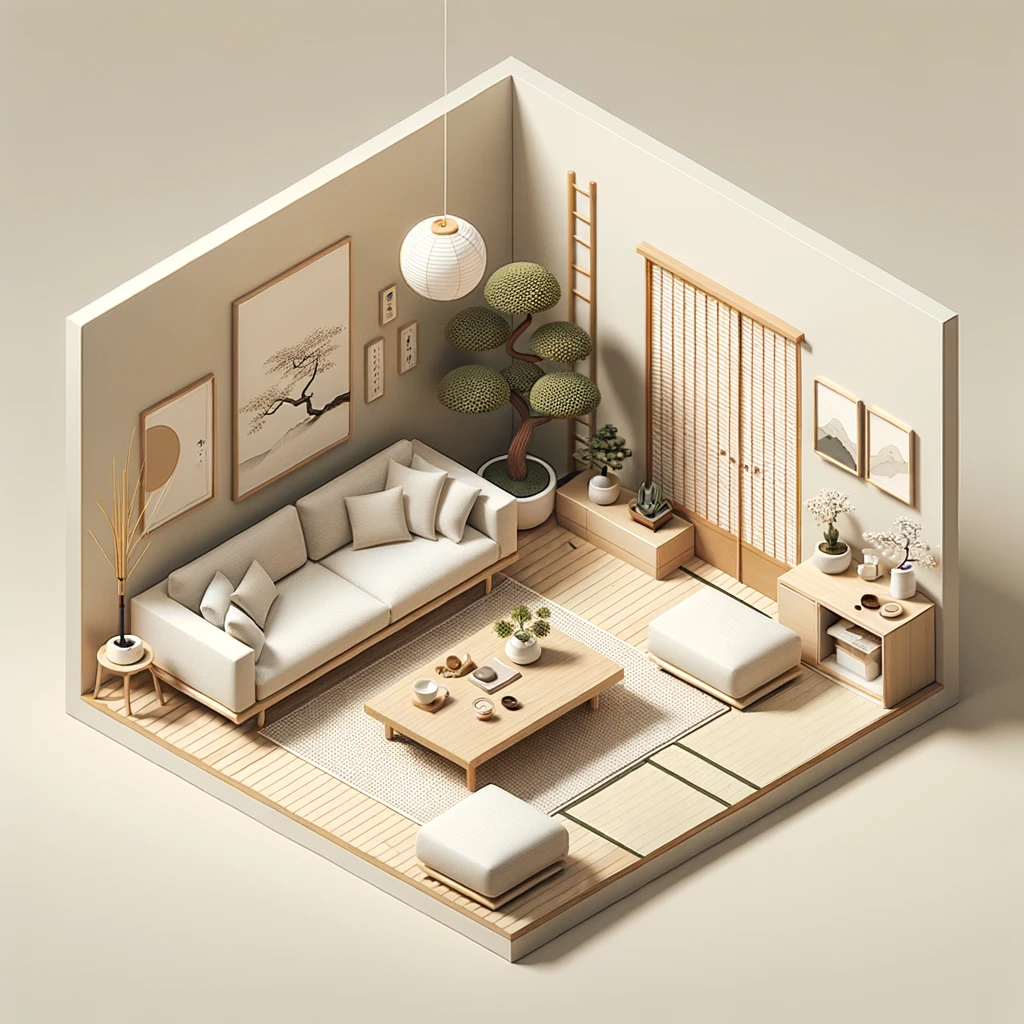 Japandi blends Japanese and Scandinavian design. Both value simplicity, natural materials and good craftsmanship, so the mix feels calm, warm and uncluttered.
Where you've seen it:
- Muji stores, with their pale wood and undyed fabrics
- Minimalist cafes and boutiques that pair light oak with paper lanterns and linen
Good if:
- You value simplicity and functionality
- You enjoy a peaceful, calming environment
- You appreciate the beauty of natural materials
Bad if:
- You prefer a bold, colorful aesthetic
- You have a lot of belongings that need storage
- You enjoy a more luxurious or ornate style
Furniture:
- Low-profile platform beds
- Simple wooden tables and chairs
- Paper or bamboo light fixtures
Color Palette:
- Neutral tones like white, beige and pale gray
- Accents in muted, natural colors like sage green or pale pink
Minimalist: Subtle Serenity
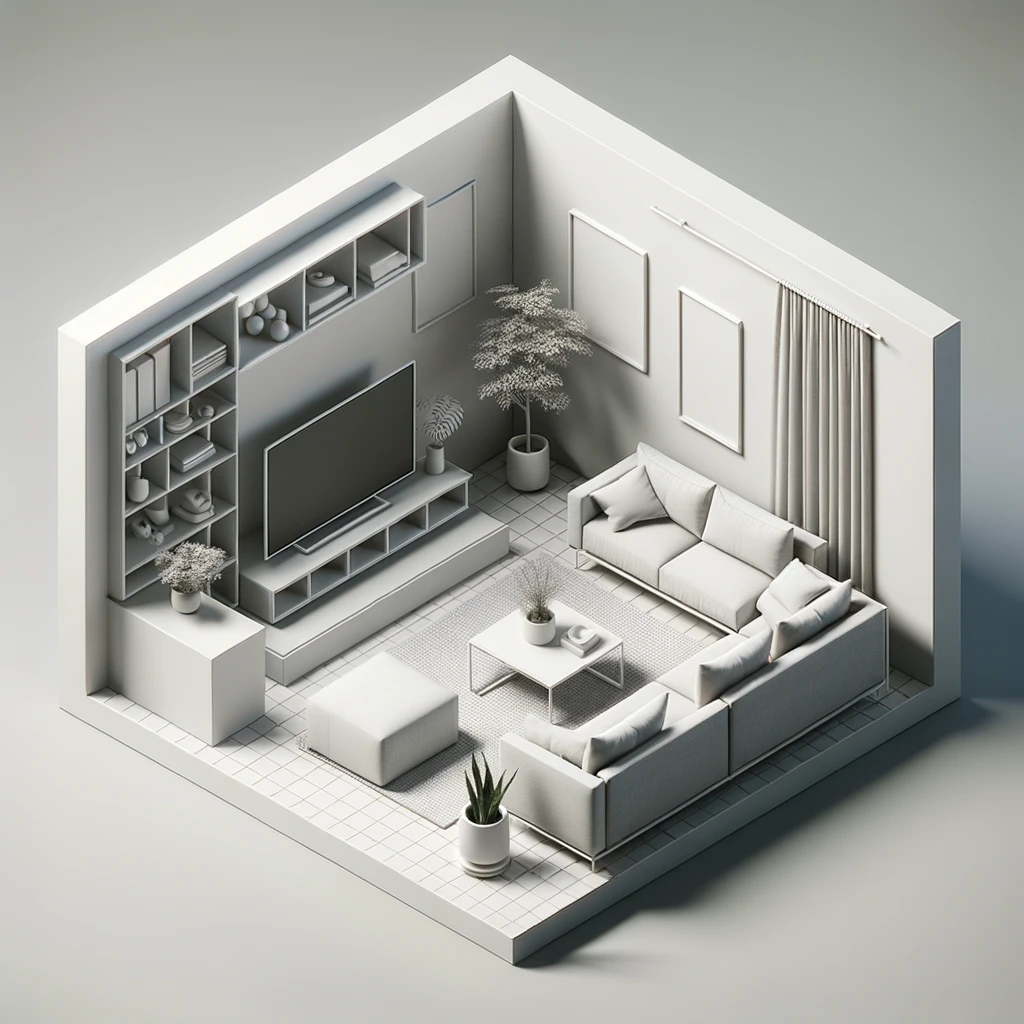 Minimalist design follows the idea that less is more: fewer objects, hidden storage and a restrained palette, so the room itself is the focus.
Where you've seen it:
- Apple stores, with their long tables and almost nothing on the walls
- Gallery-style homes where art and architecture are the only decoration
Good if:
- You value simplicity and organization
- You enjoy a calm, peaceful atmosphere
- You prefer a monochromatic or neutral color scheme
Bad if:
- You have a lot of belongings that need storage
- You enjoy a cozy, lived-in feel
- You need lots of everyday things out and within reach
Furniture:
- Simple, streamlined sofas and chairs
- Minimal floating shelves
- Sleek, hidden storage
Color Palette:
- Monochromatic schemes in white, gray or beige
- Accents in black or one bold color
Eclectic: Diverse Vibrancy
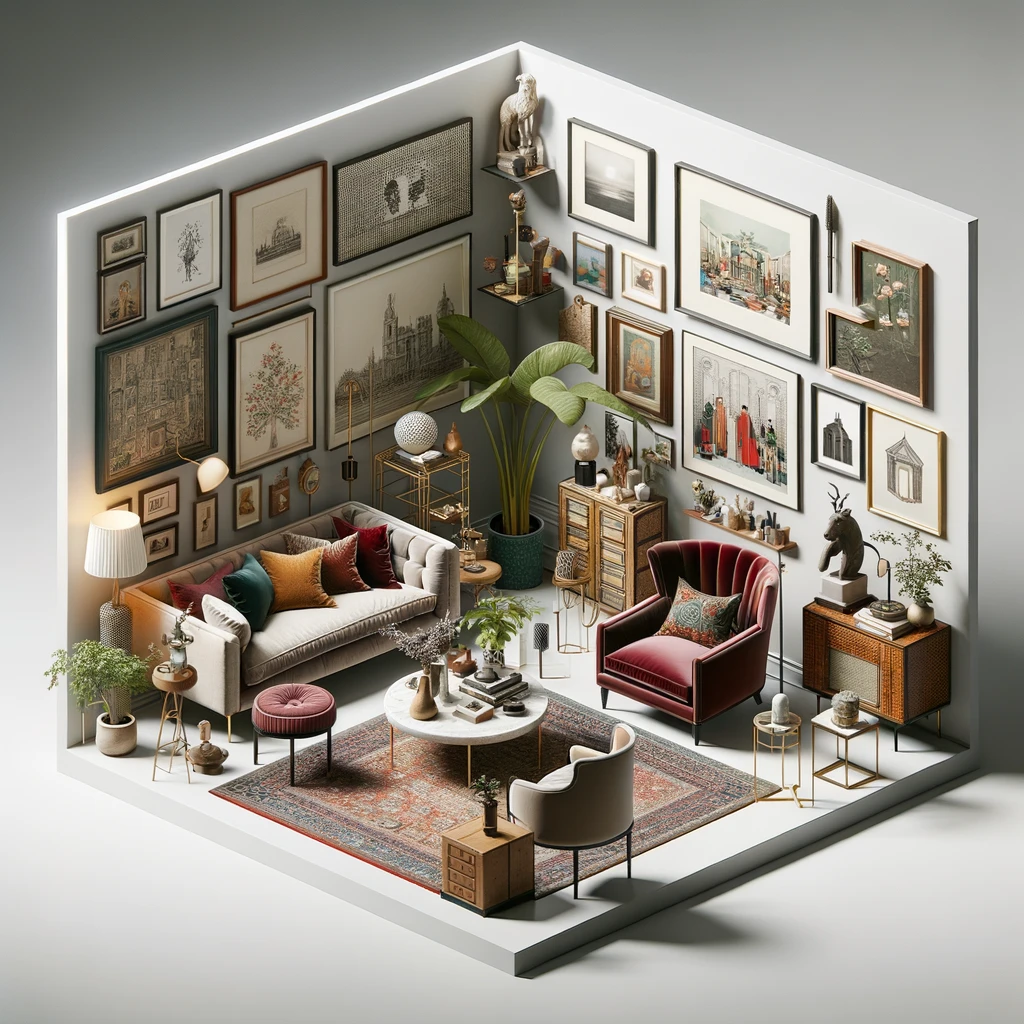 Eclectic design combines pieces from different styles, eras and cultures. It works when something ties them together, such as a repeated color, material or shape.
Where you've seen it:
- The famously layered New York apartment of style icon Iris Apfel
- Wes Anderson's "The Royal Tenenbaums" (2001)
Good if:
- You have a collection of unique, diverse items
- You enjoy mixing patterns, colors and textures
- You want a space that reflects your personality
Bad if:
- You prefer a cohesive, unified look
- You have minimalistic or monochromatic taste
- You don't enjoy a busy look
Furniture:
- A mix of vintage and modern pieces
- Statement pieces like a bold armchair or an unusual lamp
- Gallery walls with diverse artwork
Color Palette:
- A mix of bold, contrasting colors
- Accents in metallics or jewel tones
Art Deco: Glamorous Geometry
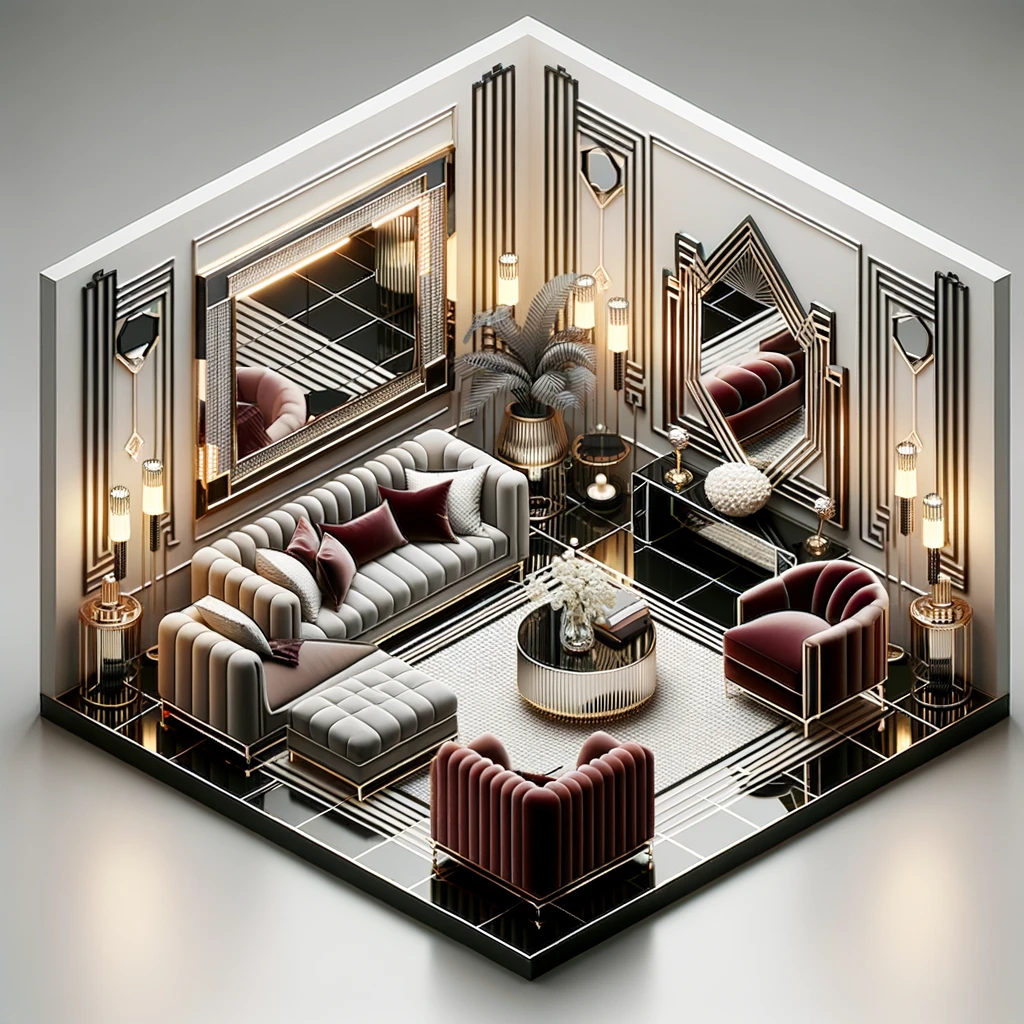 Art Deco was popular in the 1920s and 1930s and takes its name from the 1925 Paris exhibition of decorative arts. It is defined by bold geometric patterns, luxurious materials and a glamorous feel.
Where you've seen it:
- New York's Chrysler Building, opened in 1930, from its crown to its lobby
- Baz Luhrmann's "The Great Gatsby" (2013)
Good if:
- You enjoy a luxurious, sophisticated atmosphere
- You appreciate bold, geometric patterns
- You like a mix of modern and vintage elements
Bad if:
- You prefer a minimalistic or understated look
- You have a tight budget (original Art Deco pieces can be expensive)
- You don't enjoy a formal or glamorous look
Furniture:
- Velvet or leather sofas with curved lines
- Mirrored or glass coffee tables
- Geometric-patterned rugs or wallpaper
Color Palette:
- Rich, deep colors like emerald green, navy blue or burgundy
- Accents in gold, silver or black
Scandinavian: Cozy Simplicity
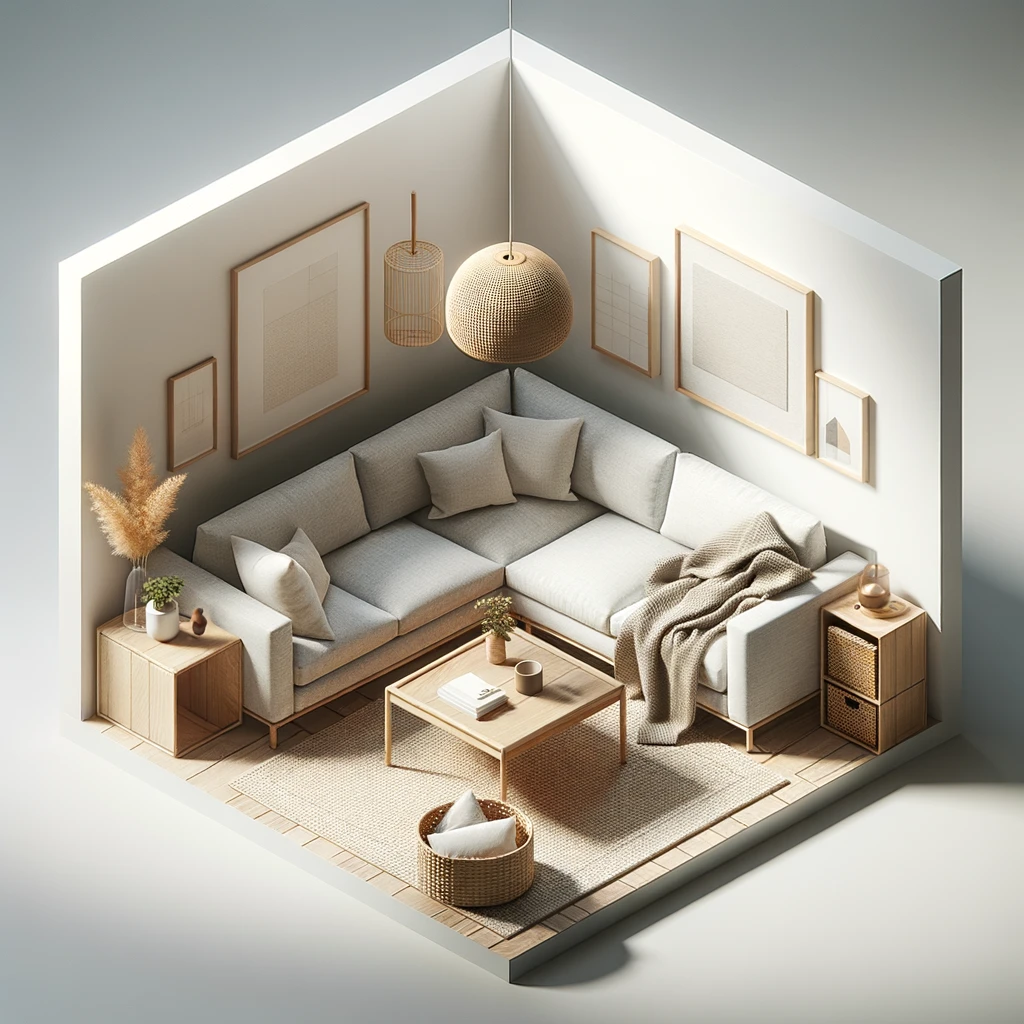 Scandinavian design combines simplicity and function with warmth: light wood, white walls, soft textiles and plenty of natural light.
Where you've seen it:
- IKEA showrooms
- Classic Danish and Swedish furniture, like Arne Jacobsen's Egg chair
Good if:
- You value simplicity and functionality
- You enjoy a cozy, inviting atmosphere
- You appreciate natural materials and textures
Bad if:
- You prefer a bold, colorful aesthetic
- You enjoy a more formal or luxurious look
- You have a lot of belongings that need storage
Furniture:
- Simple wooden furniture with clean lines
- Cozy textiles like sheepskin rugs or chunky knit blankets
- Minimal, modern light fixtures
Color Palette:
- Neutral colors like white, gray and beige
- Accents in muted, natural tones like pale blue or soft pink
Farmhouse: Homely Warmth
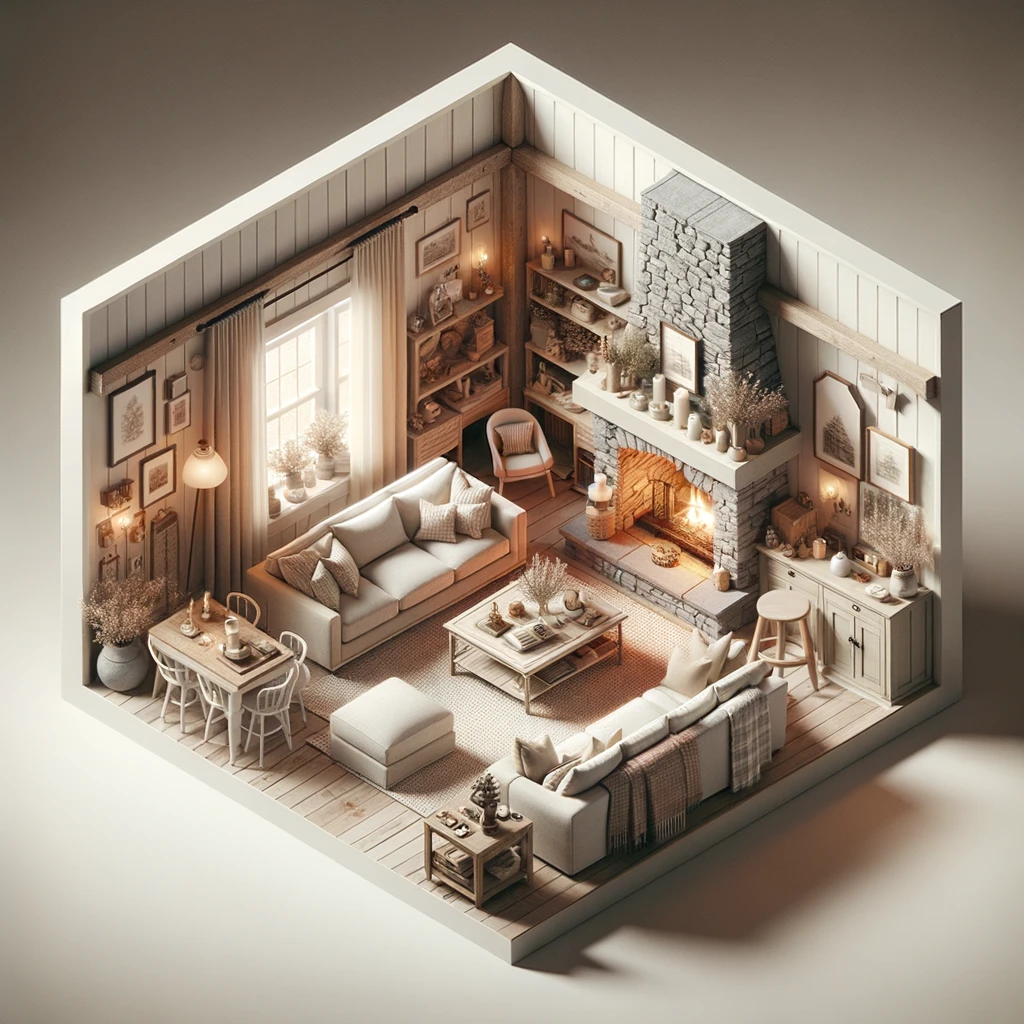 Farmhouse design is warm and practical, mixing rustic and modern elements with vintage pieces, shiplap, open shelving and natural materials.
Where you've seen it:
- HGTV's "Fixer Upper" with Chip and Joanna Gaines, closely associated with modern farmhouse
- Restored barns and country kitchens with big farmhouse sinks
Good if:
- You enjoy a cozy, welcoming atmosphere
- You appreciate a mix of vintage and modern elements
- You value natural materials and textures
Bad if:
- You prefer a sleek, contemporary look
- You don't enjoy a rustic or country-inspired aesthetic
- You have a lot of modern technology to fit in
Furniture:
- Distressed wood or painted furniture
- Overstuffed, comfortable sofas and chairs
- Vintage accents like milk jugs or old signage
Color Palette:
- Warm, neutral colors like beige, cream and brown
- Accents in soft, muted colors like sage green or pale yellow
Midcentury Modern: Timeless Chic
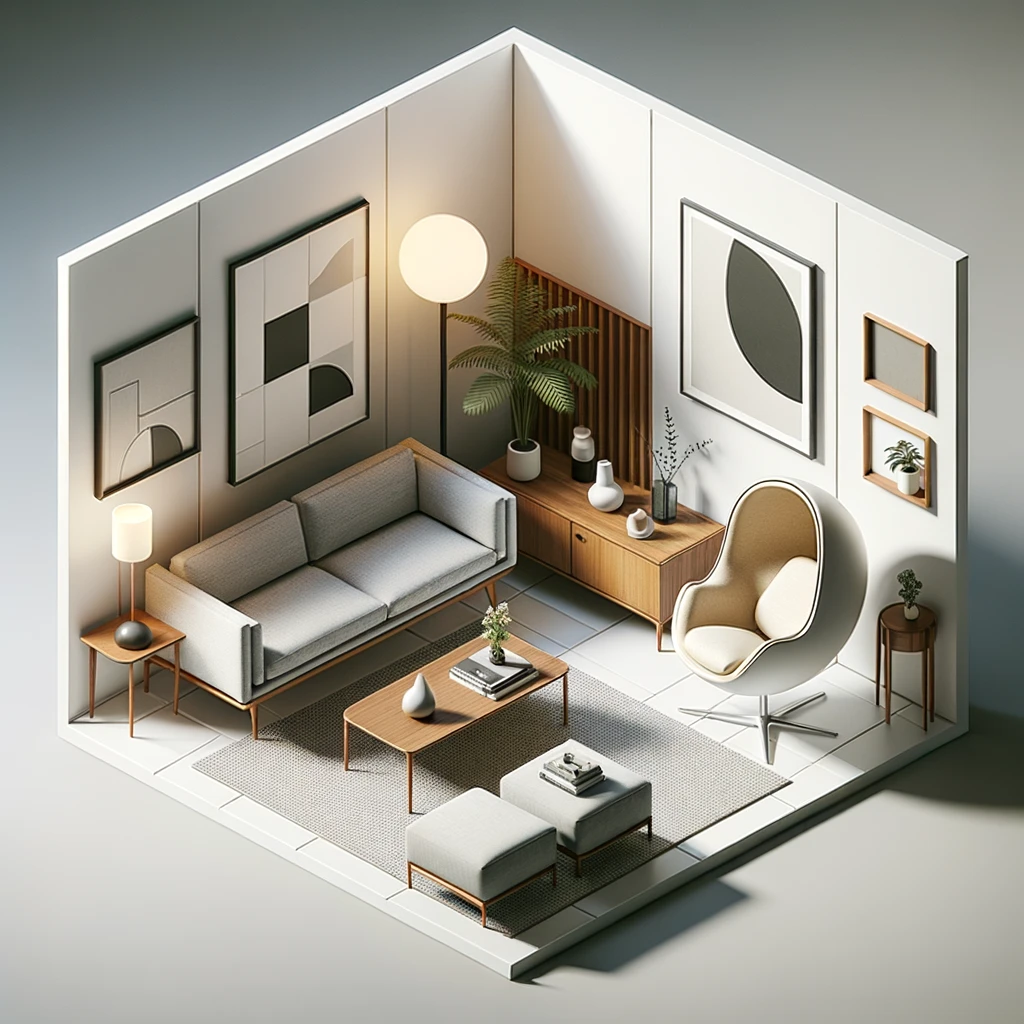 Midcentury modern design was popular in the 1950s and 1960s. It features clean lines, organic shapes, tapered legs, warm wood and confident color.
Where you've seen it:
- The TV series "Mad Men"
- The Eames House in Los Angeles, completed in 1949 by Charles and Ray Eames
- The Eames Lounge Chair and Ottoman, introduced by Herman Miller in 1956
Good if:
- You appreciate clean lines and organic shapes
- You enjoy a mix of retro and modern elements
- You value functionality and simplicity
Bad if:
- You prefer a more traditional or ornate aesthetic
- You have a lot of belongings that need storage
- You don't enjoy bold colors or patterns
Furniture:
- Low-profile, tufted sofas and chairs
- Wooden sideboards and credenzas
- Iconic light fixtures like the Sputnik chandelier
Color Palette:
- Bold, saturated colors like teal, orange and mustard yellow
- Accents in wood tones or metallics
Halloween: Spooky Fun
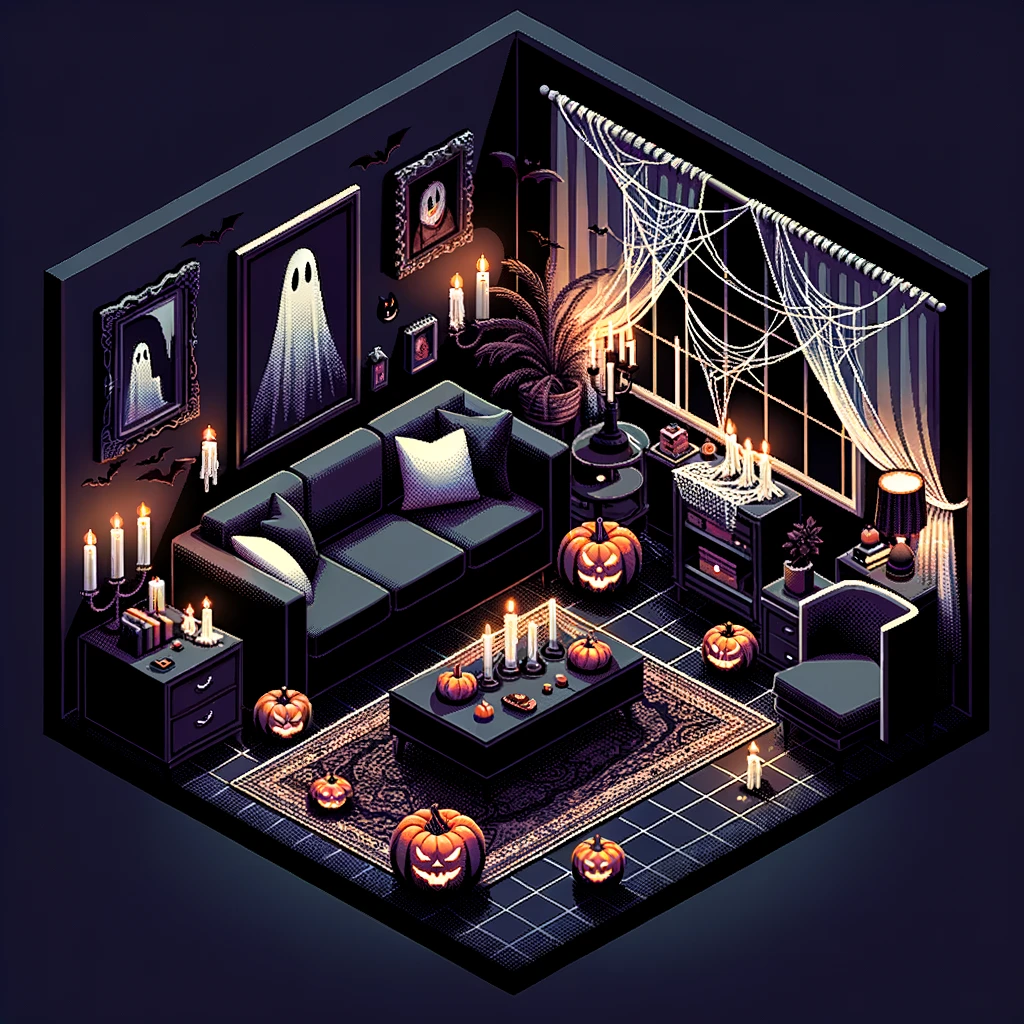 Halloween decor brings in the spooky and supernatural with dark colors, gothic accents and playful themed pieces. It is a seasonal look, layered over your usual style.
Where you've seen it:
- The Haunted Mansion at Disneyland
- Tim Burton's "Beetlejuice" (1988)
Good if:
- You enjoy a playful, whimsical atmosphere
- You appreciate a mix of dark and bold elements
- You love to celebrate and decorate for Halloween
Bad if:
- You prefer a more traditional or understated look
- You don't enjoy a themed or seasonal look
- You or your guests don't enjoy spooky imagery
Furniture:
- Antique or vintage pieces with a gothic flair
- Black or dark-colored sofas and chairs
- Playful accents like pumpkins or skeletons
Color Palette:
- Dark, moody colors like black, deep purple and dark green
- Accents in bright, bold colors like orange or lime green
Christmas: Ho Ho Ho
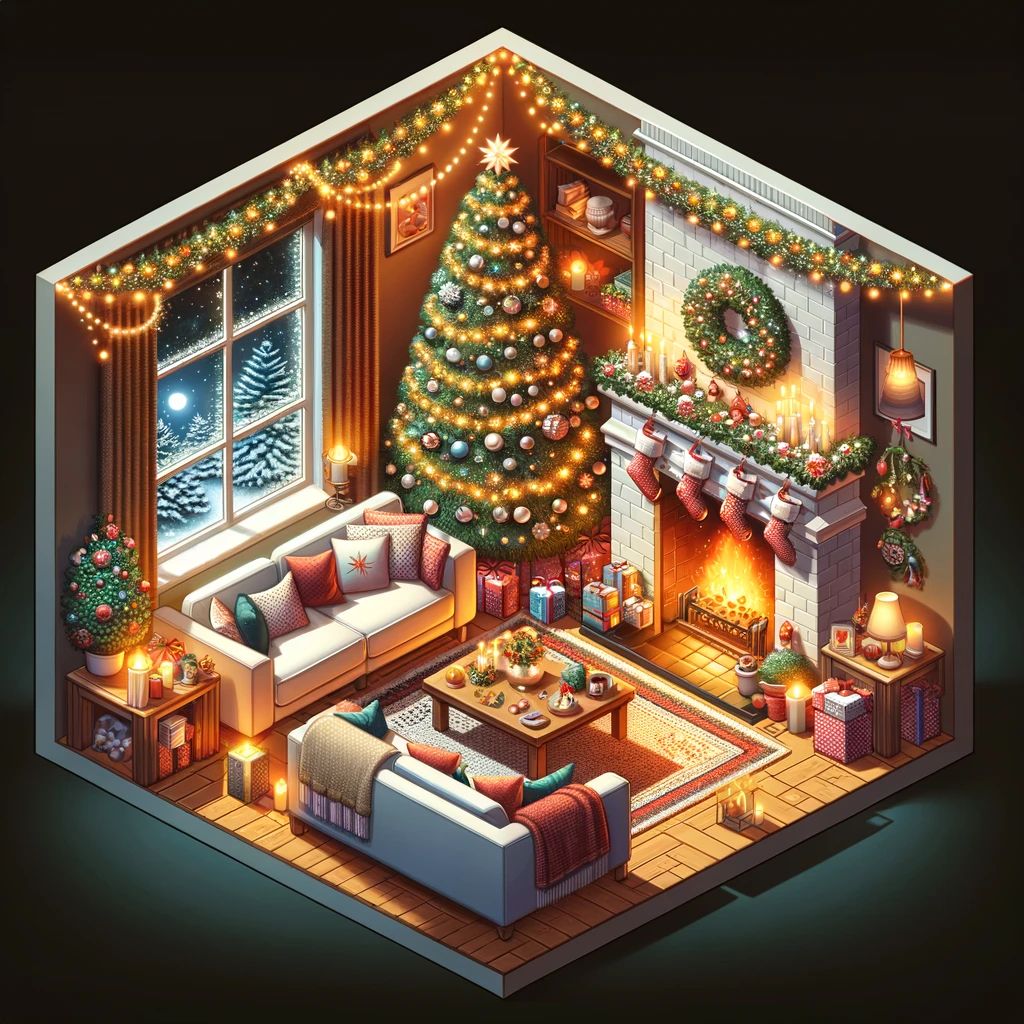 Christmas decor creates a warm, festive atmosphere with rich colors, cozy textures and twinkling lights, mixing traditional and modern holiday elements.
Where you've seen it:
- The film "Elf" (2003)
- The White House's holiday decorations each December
Good if:
- You enjoy a warm, inviting atmosphere
- You love to celebrate and decorate for the holidays
- You appreciate a mix of traditional and modern elements
Bad if:
- You prefer a minimalistic or understated look
- You don't enjoy a themed or seasonal look
- You have limited storage for holiday decor
Furniture:
- Comfortable, overstuffed sofas and chairs
- Rustic wooden accent pieces
- Festive decor like wreaths or nutcrackers
Color Palette:
- Rich, traditional colors like red, green and gold
- Accents in metallics or winter white
Vineyard: Rustic Charm
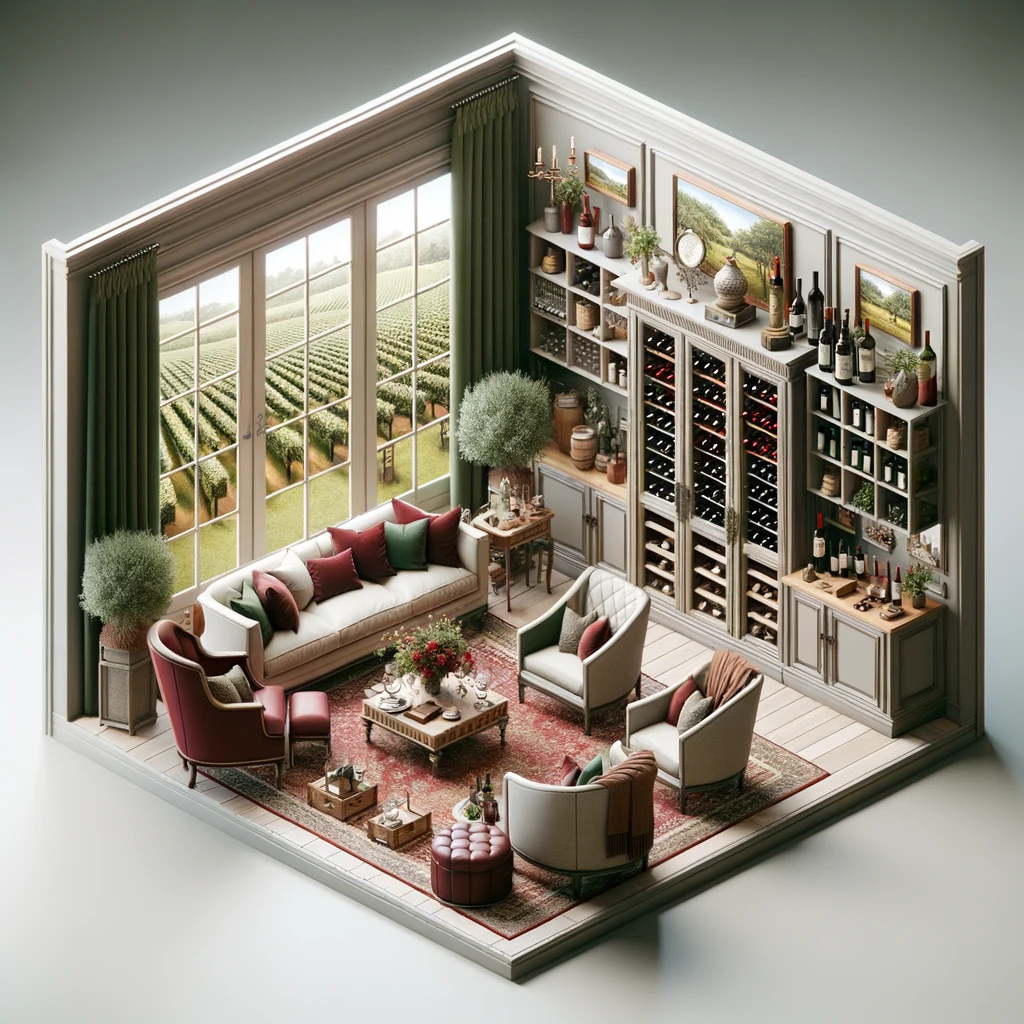 Vineyard style is warm and relaxed, mixing rustic and elegant elements with natural materials, earthy colors and wine-country details like barrels and exposed beams.
Where you've seen it:
- Ridley Scott's "A Good Year" (2006), set on a vineyard in Provence
- Winery tasting rooms in Napa Valley, California
Good if:
- You enjoy a warm, inviting atmosphere
- You appreciate a mix of rustic and elegant elements
- You love wine and wine-related decor
Bad if:
- You prefer a sleek, modern aesthetic
- You don't enjoy a rustic or country-inspired look
- You have limited space for displaying collections or themed decor
Furniture:
- Rustic wooden tables and chairs
- Comfortable, overstuffed sofas and armchairs
- Wine barrel or grapevine-inspired accent pieces
Color Palette:
- Warm, earthy colors like terracotta, olive green and deep red
- Accents in metallics or natural wood tones
Italian: Mediterranean Allure
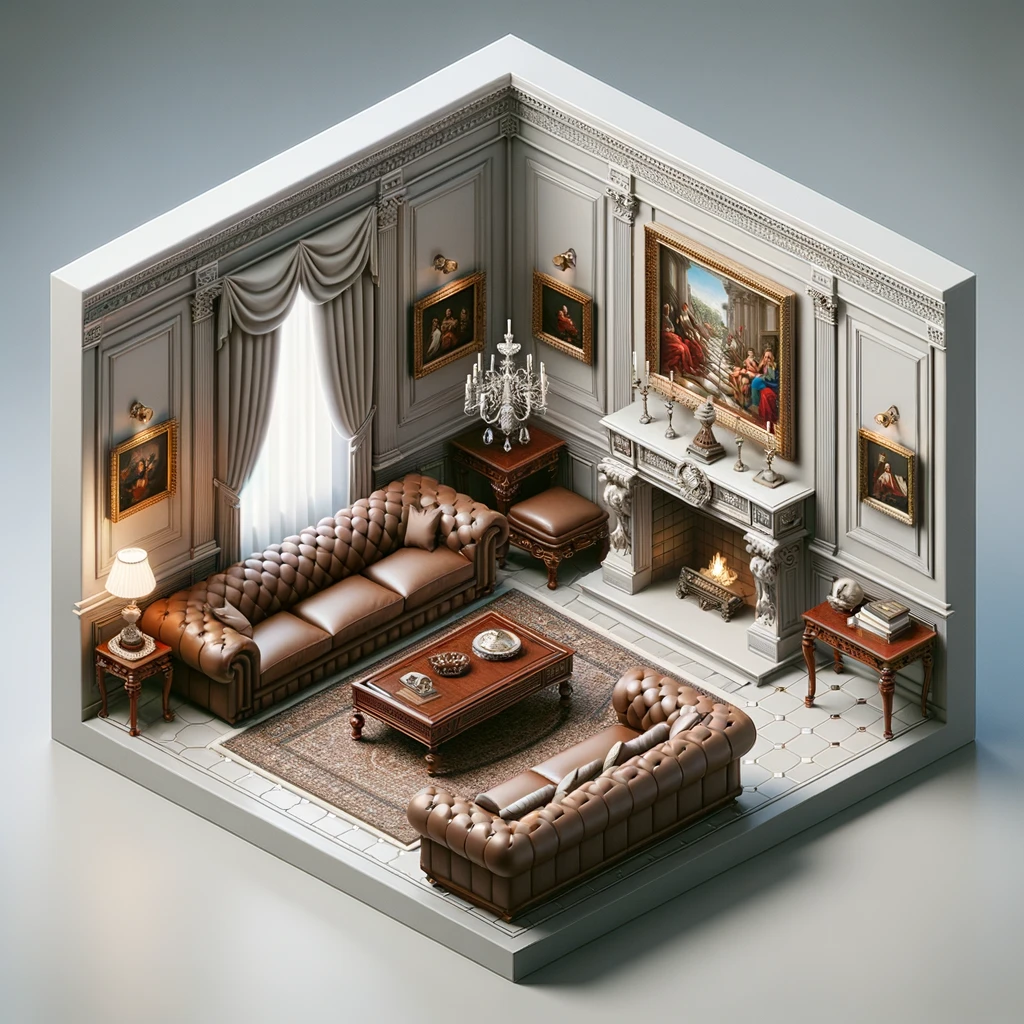 Italian-inspired design pairs rustic and elegant elements: terracotta, stone and plaster, wrought iron, and traditional Italian motifs.
Where you've seen it:
- "Under the Tuscan Sun" (2003)
- The Bellagio hotel in Las Vegas, modeled on a village on Lake Como
Good if:
- You enjoy a warm, inviting atmosphere
- You appreciate a mix of rustic and elegant elements
- You love Italian culture, art and architecture
Bad if:
- You prefer a sleek, modern aesthetic
- You don't enjoy a rustic or ornate look
- You have limited space for displaying collections or themed decor
Furniture:
- Rustic wooden tables and chairs
- Wrought iron or carved wood accents
- Terracotta or ceramic tiles and pottery
Color Palette:
- Warm, earthy colors like terracotta, olive green and deep yellow
- Accents in vibrant blues or rich reds
Maximalist: Vibrant Opulence
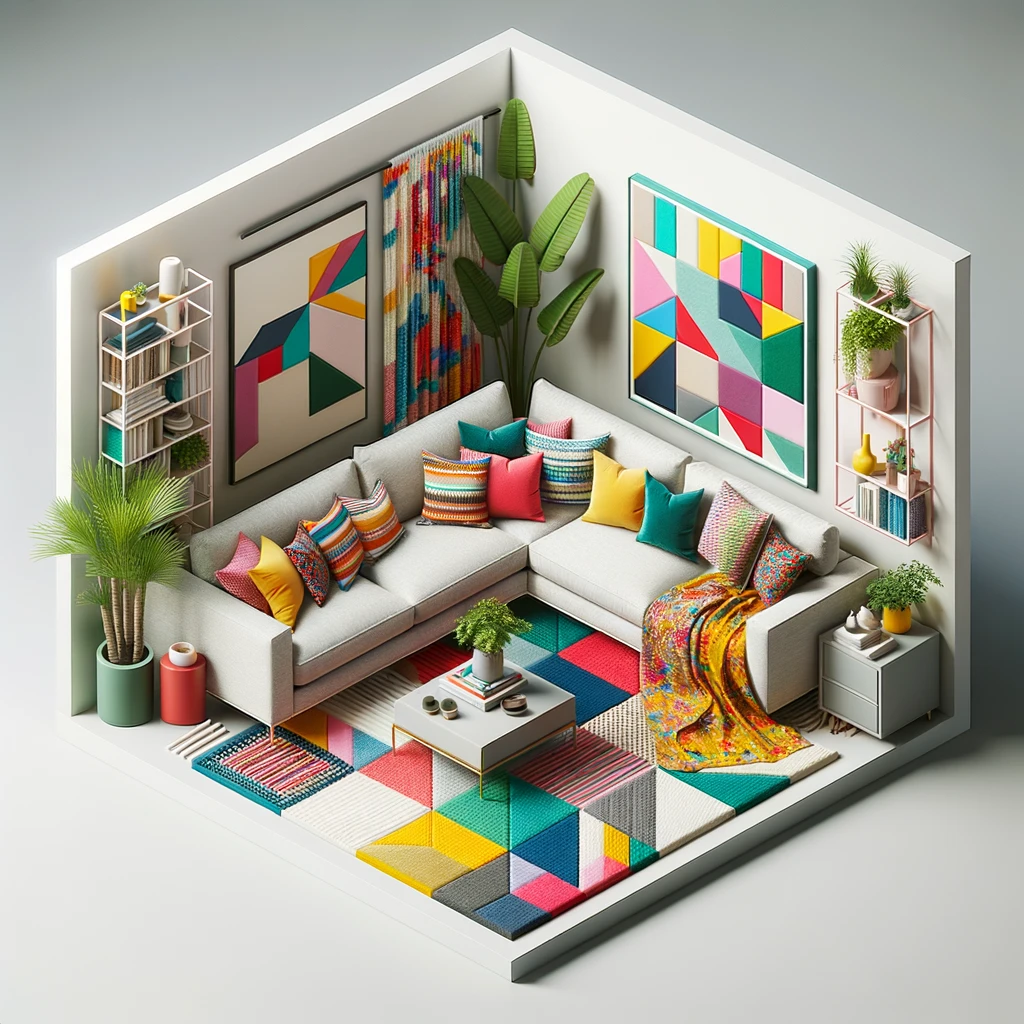 Maximalist design takes a "more is more" approach: bold colors, layered patterns and textures, collections on display and statement pieces everywhere.
Where you've seen it:
- The Greenbrier resort in West Virginia, redecorated by Dorothy Draper in the late 1940s with oversized florals, stripes and checkerboard floors
- Pattern-on-pattern rooms in many boutique hotels
Good if:
- You enjoy a bold, eclectic atmosphere
- You love to mix patterns, colors and textures
- You have a collection of unique statement pieces
Bad if:
- You prefer a minimalistic or understated look
- You don't enjoy a busy look
- You have limited space for displaying collections or bold decor
Furniture:
- Velvet or boldly patterned sofas and chairs
- Ornate, gilded mirrors and frames
- Colorful accent pieces like sculptures or vases
Color Palette:
- Bold, saturated colors like fuchsia, teal and emerald green
- Accents in metallics or jewel tones
Coastal: Seaside Serenity
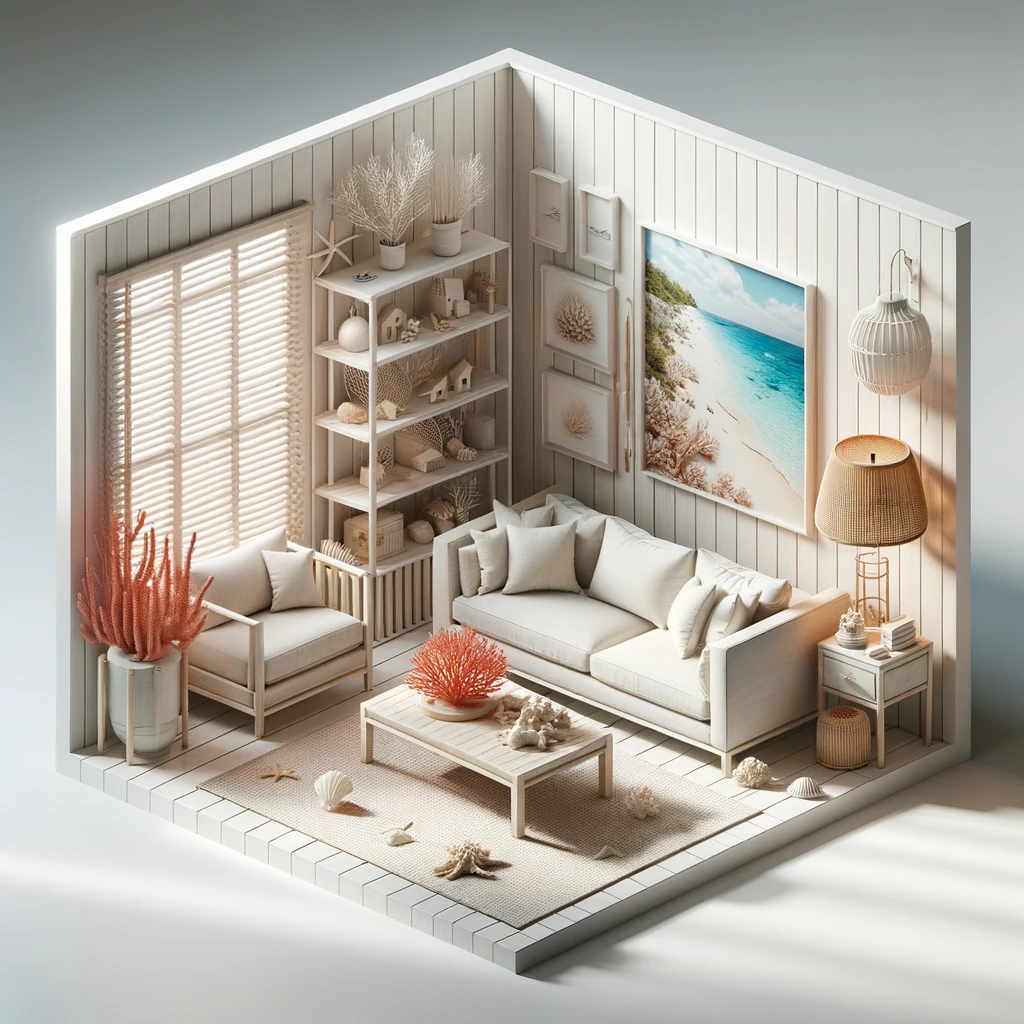 Coastal design creates a relaxed, beach-house feel with light, airy rooms, natural materials and shades of blue, white and sand.
Where you've seen it:
- The Hamptons beach house in "Something's Gotta Give" (2003)
- Shingle-style beach houses in the Hamptons and on Cape Cod
Good if:
- You enjoy a relaxed, laid-back atmosphere
- You love the beach and ocean-inspired decor
- You appreciate light, airy spaces with natural materials
Bad if:
- You prefer a more formal or luxurious aesthetic
- You don't want an obvious beach theme
- You have limited space for displaying collections or beach-inspired decor
Furniture:
- Comfortable, slipcovered sofas and chairs
- Whitewashed or distressed wood accent pieces
- Woven or rattan baskets and light fixtures
Color Palette:
- Shades of blue, from navy to pale aqua
- Sandy neutrals like beige, cream and white
- Accents in coral or seafoam green
Trying a style on your own room
Styles mix well when they share something: Japandi is itself a blend, modern farmhouse pairs farmhouse warmth with modern lines, and midcentury pieces sit comfortably in a Scandinavian room. Before you buy furniture, it helps to see your actual room in two or three candidate styles side by side.
The SofaBrain design studio does this from one photo: upload the room, pick a style and, if you like, a color palette. It has 27 styles, including every style above (coastal is listed as Beach Aesthetic). Each design costs 1 credit and usually takes under a minute, and a free account includes 3 credits with no credit card. Use the results to compare directions, not as a shopping list.
Frequently asked questions
What is the difference between modern and contemporary interior design?
Modern refers to a specific period: the modernist movement of the early and mid 20th century, with clean lines, little ornament and materials like steel and glass. Contemporary means the design of the present moment, so it changes over time. Today's contemporary rooms often borrow modern lines but add curves, warmer materials and more comfort.
What is Japandi style?
Japandi is a blend of Japanese and Scandinavian design. It combines the Japanese focus on calm, craft and natural texture with Scandinavian warmth and practicality. Expect low furniture, light or mid-tone wood, linen and paper, a muted neutral palette and very little clutter.
Can you mix two interior design styles?
Yes, and most real homes do. Pick one style to lead and borrow a few elements from a second, then tie them together with a shared color, wood tone or metal finish. Common pairings include modern with farmhouse, midcentury modern with Scandinavian, and bohemian with coastal.
How do I find my interior design style?
Save 20 to 30 images of rooms you like without overthinking it, then look for what repeats: the colors, the amount of stuff on show, the wood tones, the shapes of the furniture. Compare those patterns with the styles above and pick the closest one or two. Your existing furniture matters too, since it is cheaper to build on what you have than to start over.